

What’s Changing?
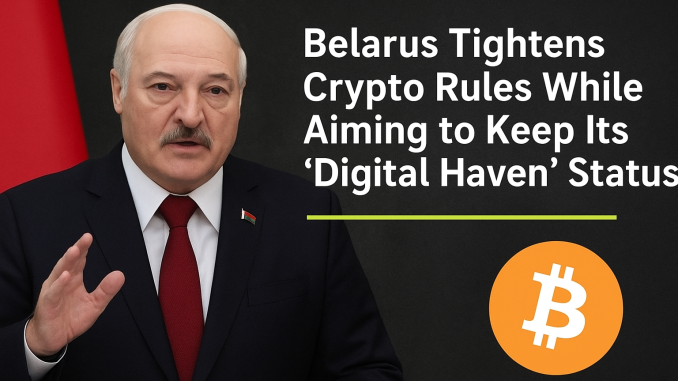
President Aleksandr Lukashenko of Belarus has ordered a revamp of the country’s crypto regulations after a state inspection revealed troubling issues with digital asset platforms, highlighting a need for clearer, safer crypto rules. Officials now have just one month to draft a comprehensive legal framework.
What Problems Were Discovered?
-
Around half of the investments Belarusians sent to foreign crypto platforms never returned.
-
1,600 people lost money to risky crypto schemes.
-
Three out of six token issuers collapsed completely.
What’s New?
Lukashenko has approved a plan to explore the creation of a state-supervised “crypto bank”. This institution would focus solely on crypto-only transactions and attract foreign investors, avoiding risking domestic citizens’ funds. It would be modeled on similar institutions in Switzerland and Singapore.
What’s Belarus’ Crypto Background?
-
In 2017, Belarus passed Decree No. 8, legalizing cryptocurrencies, smart contracts, and crypto services via its High-Tech Park (HTP), a tech-friendly zone offering significant tax breaks and legal incentives.
-
By 2025, Belarus saw $1.7 billion in crypto trade in just seven months, expecting to reach $3 billion by year-end, strong growth pointing to its role as a regional digital hub.
-
The president has also encouraged expanded crypto mining, leveraging the country’s energy surplus as a national opportunity.
Why It Matters (For Beginners)
Stronger Rules – Belarus is balancing crypto support with investor protection.
Proposed Crypto Bank – New channels for cross-border transactions, but separated from citizen risk.
Digital Haven Status – Belarus remains friendly to crypto, so long as platforms stay compliant.
Global Model? – This could shape how other countries regulate digital currency.


